What Is a Sewer Conversion and When Is It Needed?
A sewer conversion is the process of connecting a property to a mains sewer system, usually replacing an existing on-site wastewater system such as a septic tank. It may be needed when sewer infrastructure becomes available, an ageing septic system is no longer suitable, or property changes require a different wastewater solution. The process can involve installing new drainage pipework, connecting the property to the sewer and decommissioning the old system. Professional planning helps ensure the conversion is completed safely and meets relevant local requirements.
How Does a Sewer Conversion Work?
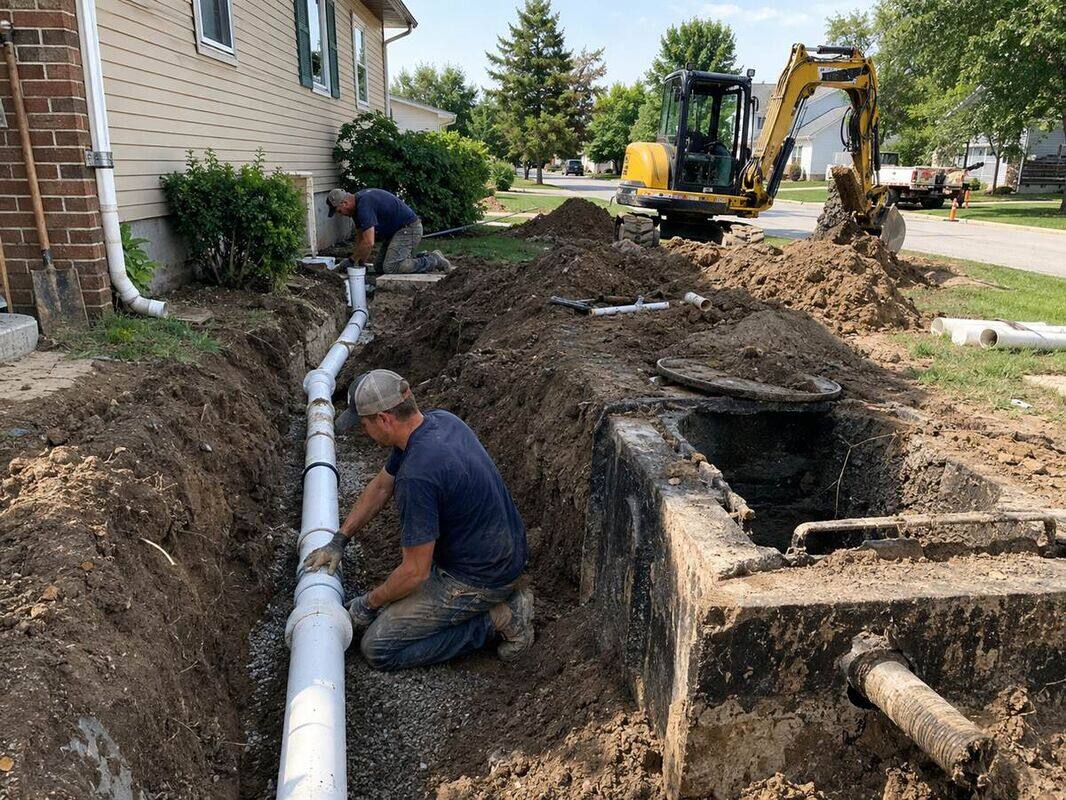
A sewer conversion typically begins with an assessment of the property’s existing wastewater system and the location of the available sewer connection. A licensed plumber can determine how the property’s drains need to be modified and identify the most practical route for new pipework. For older properties, it may also be worth understanding when old plumbing pipes should be replaced, particularly if ageing or deteriorated pipework is identified during the assessment. Depending on the property, excavation may be required to install drainage pipes with the correct fall towards the sewer connection. Once connected, the previous onsite wastewater system may need to be decommissioned in accordance with applicable requirements.
When Does a Property Need a Sewer Conversion?
One common reason for a sewer conversion is when mains sewer infrastructure becomes available in an area previously dependent on septic systems or other onsite wastewater solutions. A conversion may also be considered when an existing septic system is ageing, regularly experiencing problems or no longer suitable for the property’s wastewater demands. Renovations, extensions and other property improvements may also provide an opportunity to review whether the existing wastewater system remains appropriate.
What Are the Benefits of Connecting to Sewer?
Connecting to mains sewer can reduce the ongoing maintenance associated with an onsite wastewater system. Property owners no longer need to manage the same septic tank servicing and wastewater disposal requirements. A correctly installed sewer connection can also provide a dependable long-term wastewater solution and may be better suited to properties where household demand has increased. The specific benefits will depend on the property and the condition of its existing wastewater infrastructure.
What Should Be Considered Before Conversion?
Every property is different. Existing pipework, ground conditions, landscaping, access and the location of underground services can all influence how straightforward the conversion will be. Understanding the common challenges during a sewer conversion can help property owners know what factors may need to be addressed before work begins. Local approvals and plumbing requirements may also apply. Assessing these factors before work begins helps reduce unexpected complications during excavation and installation.
Sewer Conversions in Busselton
Sewer conversion work requires careful planning to ensure drainage performs correctly and the connection meets relevant requirements. Ashore Plumbing & Gas provides sewer conversion services throughout Busselton, helping property owners assess existing wastewater infrastructure and complete new sewer connections. Professional installation helps minimise disruption while providing a reliable wastewater solution suited to the property’s long-term needs.