What Are the Most Common Challenges During a Sewer Conversion?
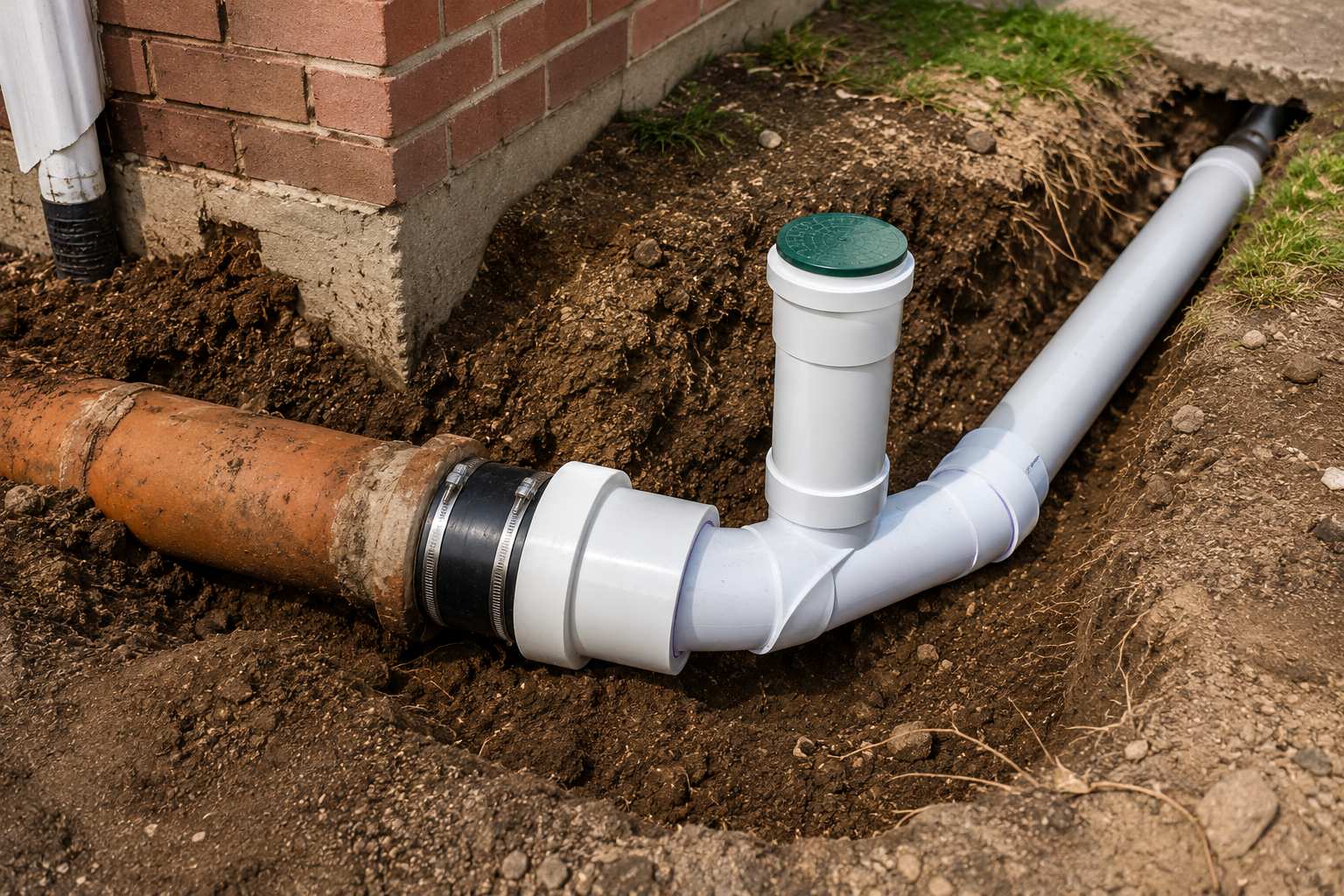
A sewer conversion involves connecting a property to the main sewer network and decommissioning existing on-site wastewater systems where required. Common challenges include locating existing underground services, working around ageing pipework, managing excavation requirements and ensuring the new connection complies with local regulations. Every property presents different conditions, so careful planning and professional installation are essential. A properly managed sewer conversion helps provide reliable wastewater disposal, supports long-term plumbing performance and minimises disruption during the project.
What Is a Sewer Conversion?
A sewer conversion is the process of changing a property’s wastewater system from an onsite disposal system, such as a septic system, to a connection with the local sewer network where sewer services are available. The work may involve installing new underground pipework, connecting internal plumbing to the sewer main and safely decommissioning existing wastewater infrastructure where required.
Locating Existing Underground Services
One of the first challenges during a sewer conversion is identifying existing underground infrastructure. Water pipes, gas lines, electrical cables, stormwater drains and communication services may all be located near the proposed excavation area. Accurately locating these services helps reduce the risk of accidental damage and allows excavation work to be planned safely and efficiently. If existing plumbing is damaged or a problem is uncovered during the work, understanding how fast plumbing repairs can reduce property damage highlights the importance of addressing issues promptly.
Working with Older Plumbing Systems
Older properties often have ageing drainage systems that may not be suitable for direct connection to a new sewer service. Existing pipework may require repair, replacement or modification before the conversion can proceed. A plumbing inspection helps determine whether existing drains remain serviceable or whether upgrades are needed to support the new sewer connection. Understanding when you should replace old plumbing pipes can also help property owners recognise when ageing infrastructure may need attention before major plumbing work begins. Addressing these issues early can help avoid unexpected delays during construction.
Excavation and Site Conditions
Every property has different ground conditions. Soil type, landscaping, retaining walls, driveways and existing structures can all influence the complexity of excavation work. Careful planning helps minimise disruption while allowing new sewer pipes to be installed at the correct depth and gradient for reliable wastewater flow.
Meeting Compliance Requirements
Sewer conversions must comply with applicable plumbing regulations and local authority requirements. Correct installation, testing and final connection are essential to ensure the new system operates safely and effectively. Working with licensed plumbing professionals helps ensure every stage of the conversion is completed to the required standards.
Professional Sewer Conversions in Busselton
Every sewer conversion presents unique challenges, but careful planning and professional installation help achieve reliable long-term results. From assessing existing plumbing infrastructure to completing compliant sewer connections, experienced installation helps minimise disruption while providing dependable wastewater solutions for residential and commercial properties.