When Should You Replace Old Plumbing Pipes
Old plumbing pipes should be replaced when they show signs of corrosion, frequent leaks, reduced water pressure, discoloured water or significant age-related deterioration. While some plumbing materials can last for decades, all pipes eventually wear out and become more prone to failure. Replacing ageing pipes before major problems occur can help prevent water damage, improve water quality and maintain reliable plumbing performance. Professional inspections can determine whether repairs are sufficient or if full pipe replacement is the better long-term solution.
Why Plumbing Pipes Deteriorate Over Time
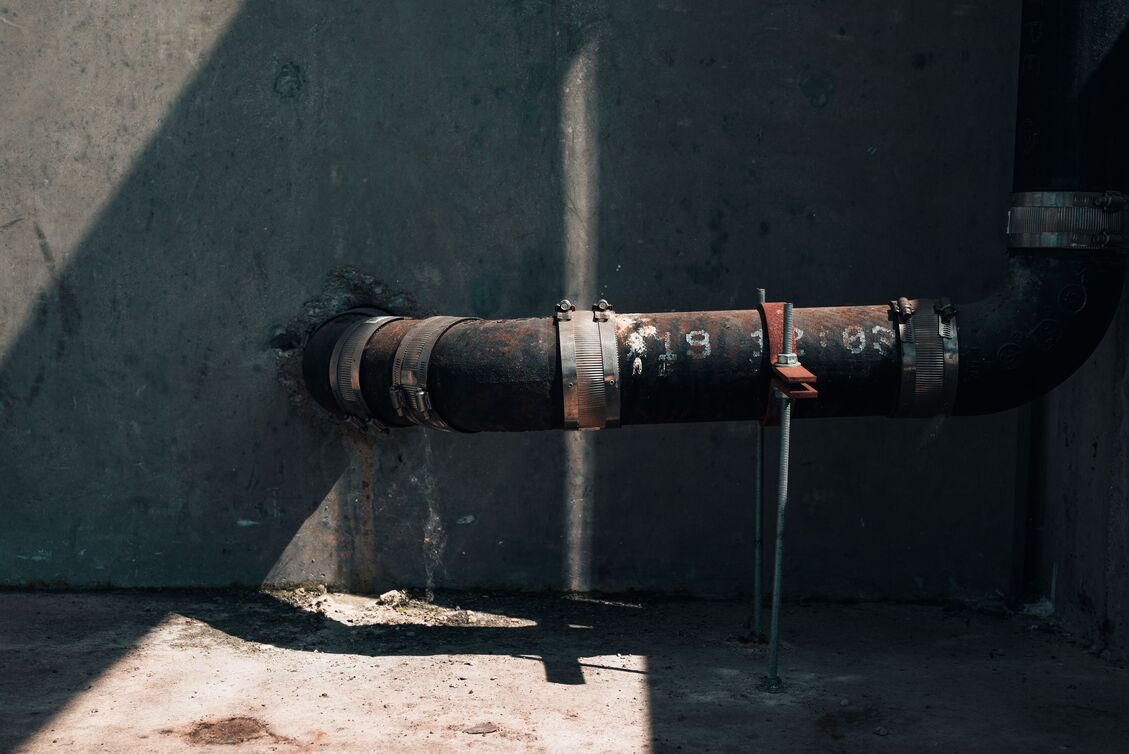
Plumbing systems are designed to last for many years, but constant exposure to water, minerals and changing temperatures gradually affects pipe condition. Different pipe materials have different lifespans. Older homes may contain galvanised steel, copper or other materials that naturally deteriorate as they age. Corrosion, mineral build-up and general wear can reduce performance and increase the likelihood of leaks.
Frequent Leaks Are a Warning Sign
An occasional plumbing repair is not unusual, but repeated leaks throughout the property may indicate widespread pipe deterioration. When one section of ageing pipe fails, other areas of the system may be approaching the same condition. Continually repairing isolated leaks can become costly and may only provide a temporary solution. In some cases, replacing ageing pipework is more practical than ongoing repairs.
Discoloured or Rusty Water
Brown, rusty or discoloured water can indicate corrosion occurring inside the plumbing system. As pipes deteriorate internally, rust particles and sediment may enter the water supply. Discoloured water not only affects water quality but may also signal that pipes are weakening and becoming more vulnerable to leaks or failure. Professional inspection can determine whether the issue originates from the plumbing system or another source.
Low Water Pressure Throughout the Home
Ageing pipes often develop internal build-up that restricts water flow. Corrosion and mineral deposits gradually reduce the internal diameter of the pipe, limiting the amount of water that can pass through. If multiple fixtures throughout the property experience ongoing low water pressure, deteriorating pipework may be contributing to the problem.
Age of Your Plumbing System Matters
Many older homes still operate with original plumbing systems that may be several decades old. While some pipes remain serviceable for extended periods, ageing systems generally become more susceptible to corrosion, leaks and performance issues. A professional plumbing assessment can help determine whether pipe replacement should be considered as part of long-term property maintenance.
Benefits of Replacing Old Pipes
Replacing old plumbing pipes can improve water pressure, enhance water quality and reduce the risk of future leaks and water damage. Modern plumbing materials are often more durable, efficient and resistant to corrosion.