Blog
Can Grease and Food Waste Damage Your Pipes?
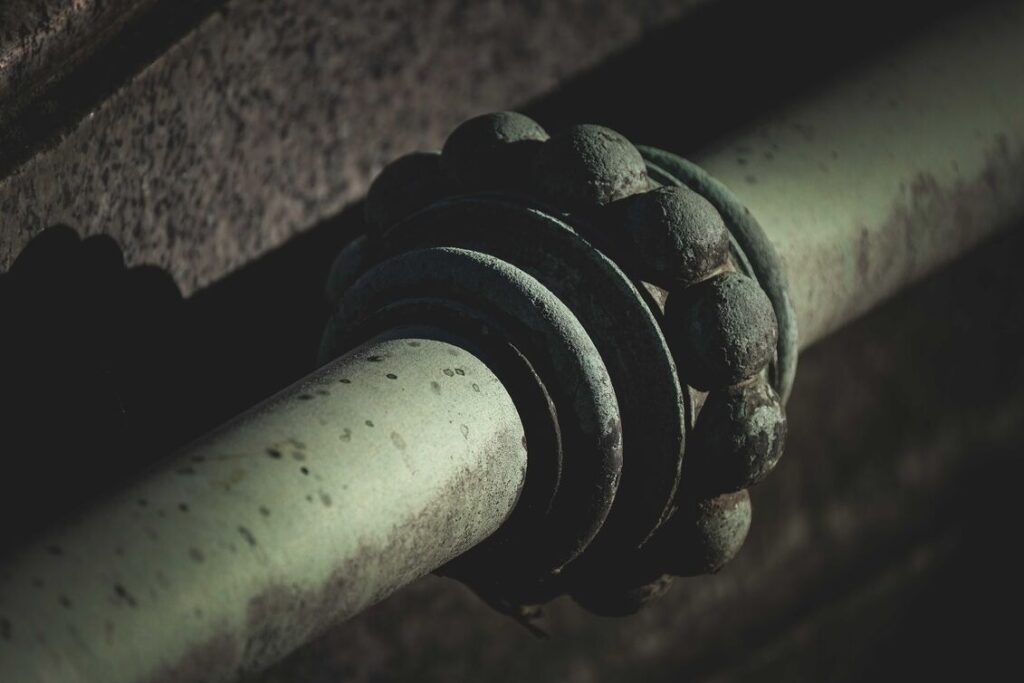
Grease and food waste can damage plumbiing systems by causing blockages, restricting water flow and increasing stress on pipes over time. When grease is poured down the drain, it cools and solidifies…
What Happens During a Gas Safety Inspection?
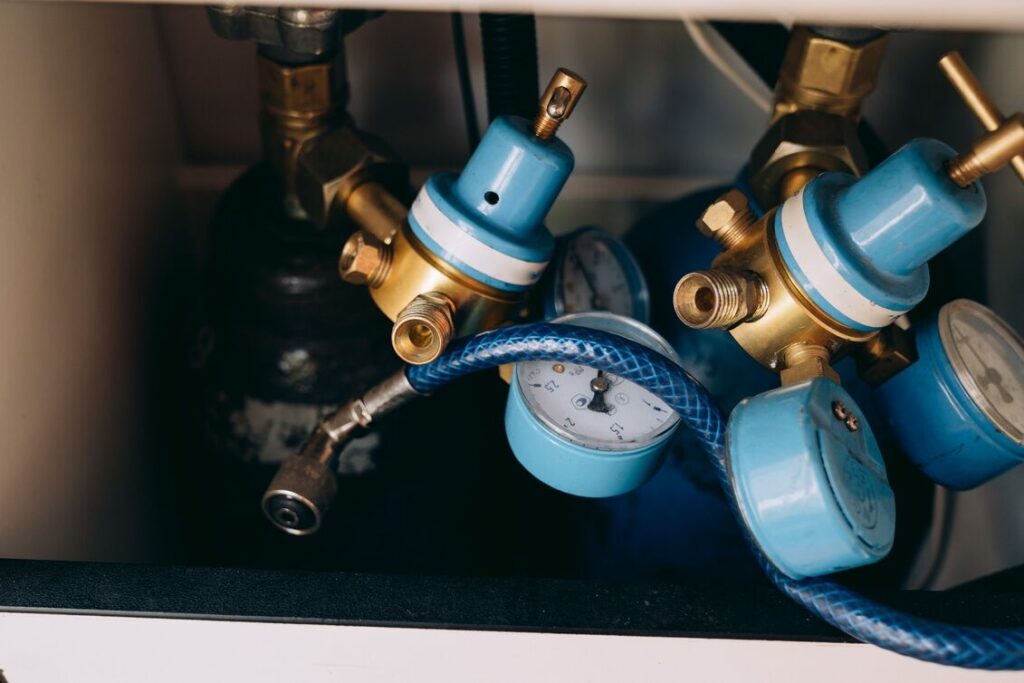
A gas safety inspection involves checking gas appliances, pipework, fittings and ventilation systems to ensure they are operating safely and efficiently. Licensed gas fitters inspect for leaks, signs of wear, improper installation…
What To Do Before the Emergency Plumber Arrives?
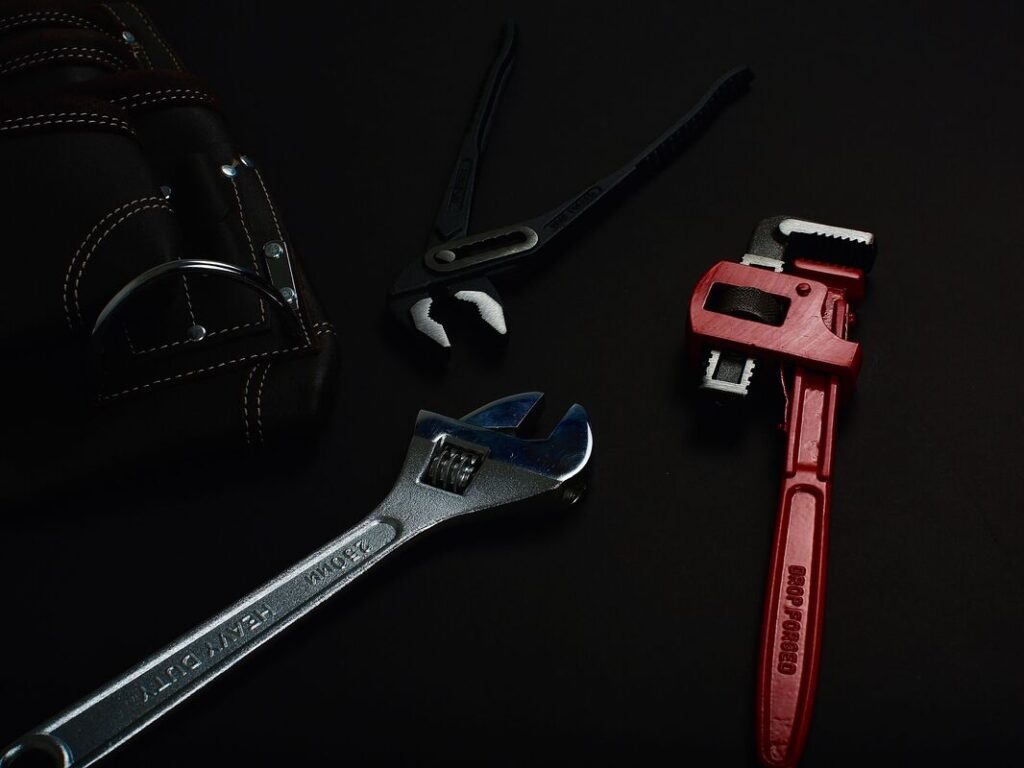
During a plumbing emergency, taking a few simple steps before the plumber arrives can help minimise property damage and improve safety. Shutting off the water supply, containing leaks, removing valuable items from…
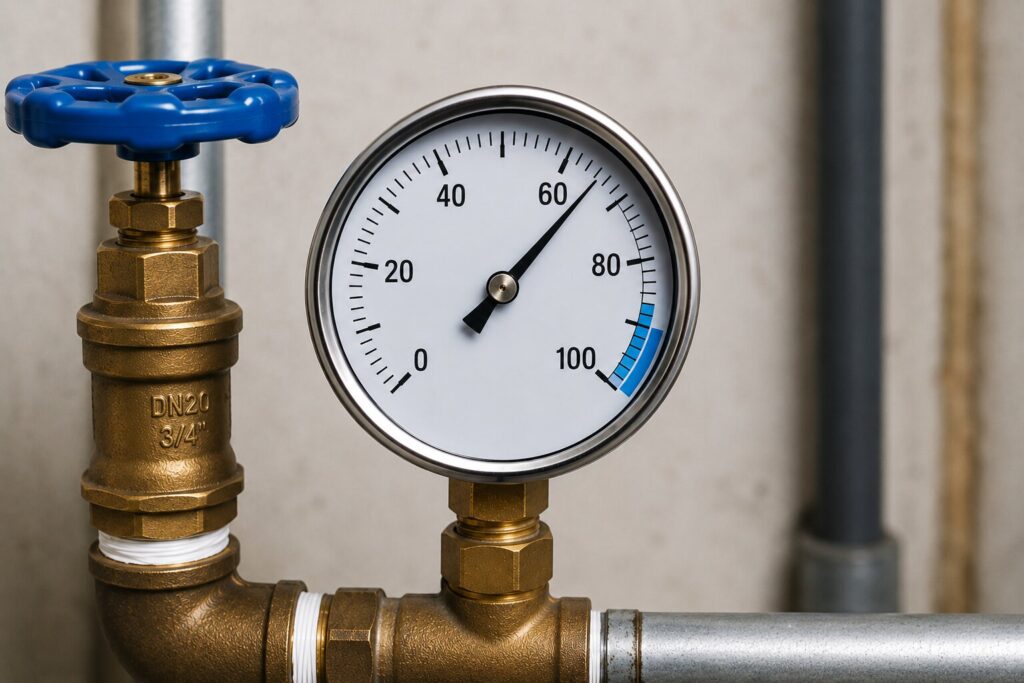
What Causes Sudden Water Pressure Loss in a Home
Sudden water pressure loss can be caused by hidden leaks, burst pipes, blocked pipework, faulty pressure regulators, water supply interruptions or problems with plumbing fixtures. A rapid drop in water pressure often…
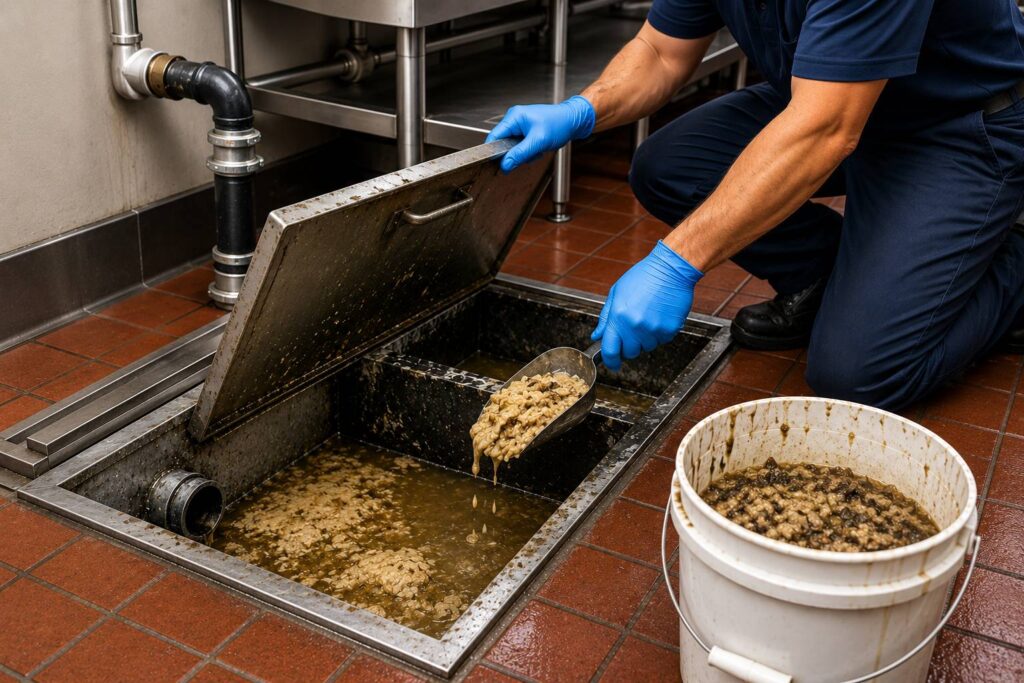
Importance of Grease Trap Maintenance for Commercial Kitchens
Regular grease trap maintenance is essential for commercial kitchens because it helps prevent blocked drains, unpleasant odours, plumbing emergencies and environmental issues. Grease traps are designed to capture fats, oils and grease…
How To Minimise Water Damage During a Plumbing Emergency
Acting quickly during a plumbing emergency can significantly reduce water damage and repair costs. The first step is to shut off the water supply if it is safe to do so. Removing…
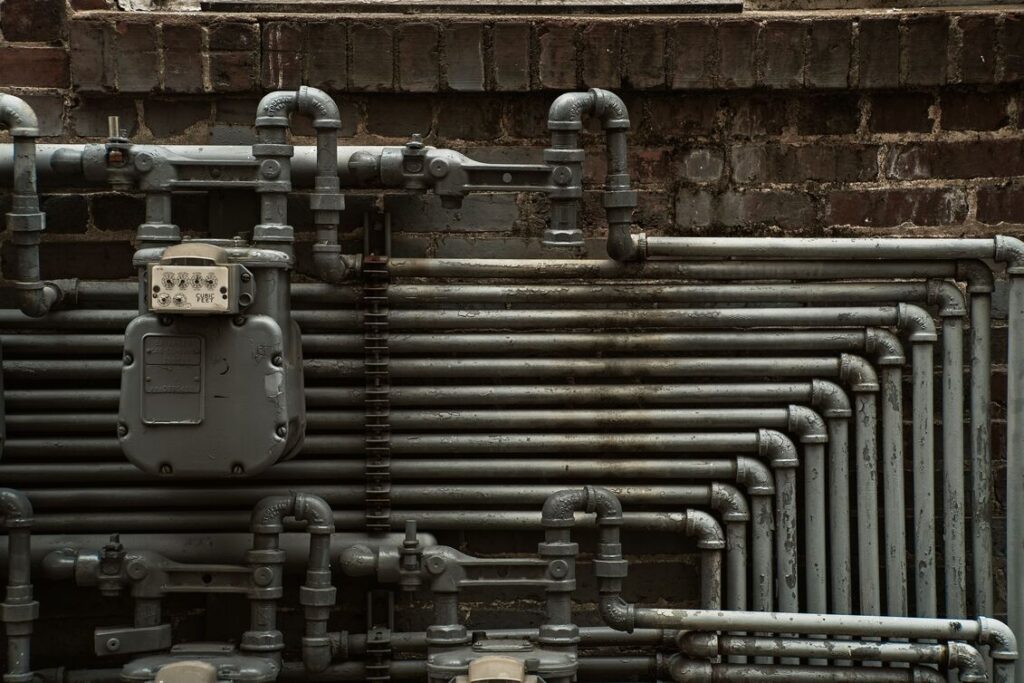
Common Plumbing Problems in Commercial Buildings
Commercial buildings commonly experience plumbing issues such as blocked drains, leaking pipes, toilet malfunctions, hot water system failures and water pressure problems. Because commercial plumbing systems often handle higher usage than residential…
How Plumbing Issues Can Disrupt Business Operations
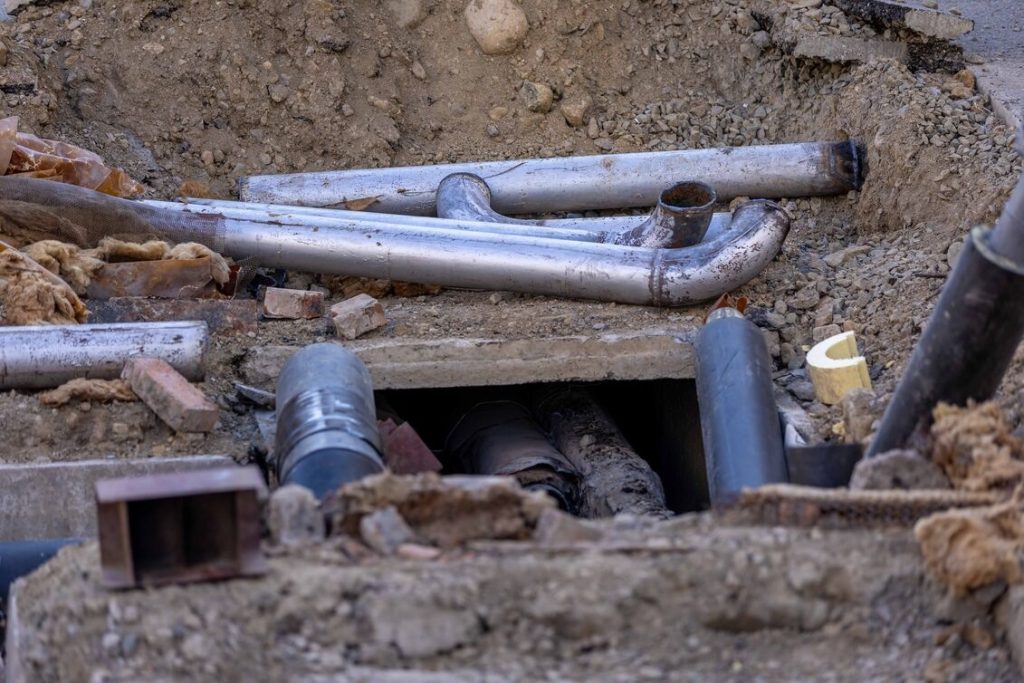
Plumbing issues can significantly disrupt business operations by affecting water supply, sanitation, employee productivity and customer experience. Problems such as blocked drains, leaking pipes, faulty hot water systems and sewer backups can…
Gas Bayonet Fittings Explained for Australian Homes
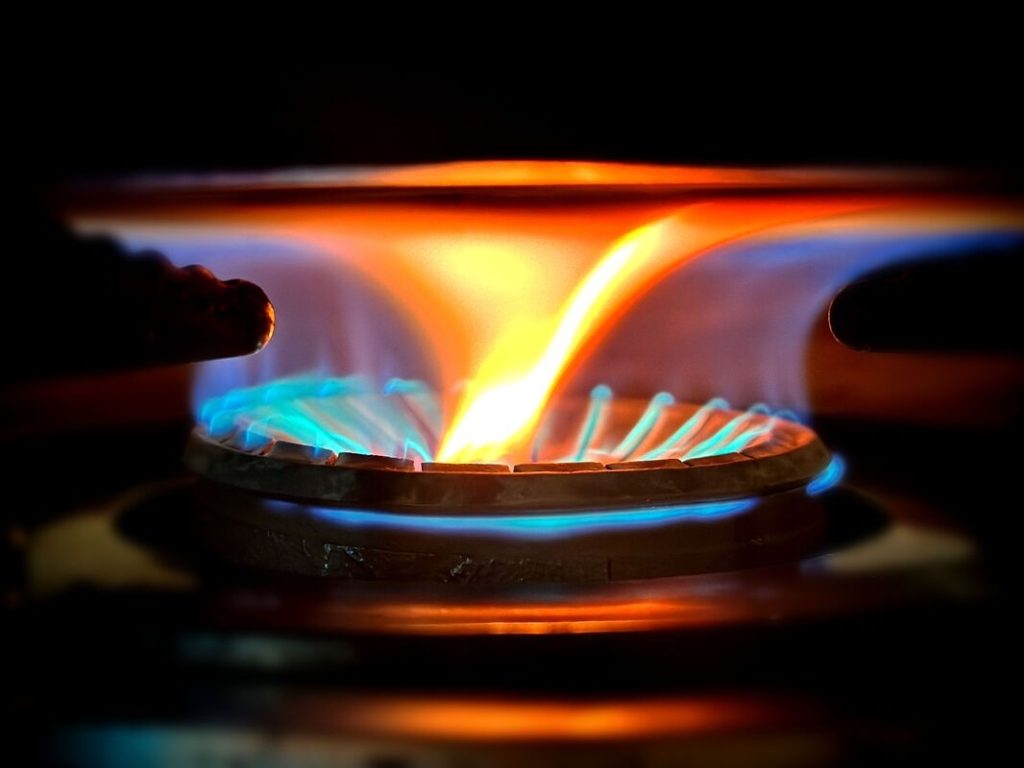
Gas bayonet fittings are specialised gas connection points that allow approved portable gas appliances, such as gas heaters, to be safely connected to a property’s gas supply. These fittings include a self-sealing…
What Causes Discoloured Hot Water
Discoloured hot water is often caused by corrosion inside a hot water system, sediment build-up in the tank or ageing plumbing pipes. Brown, rusty or cloudy hot water can indicate that components…
How to Extend the Life of Your Hot Water System
Regular maintenance, prompt repairs and proper system care can significantly extend the life of a hot water system. Routine servicing helps identify worn components, sediment build-up and minor issues before they develop…
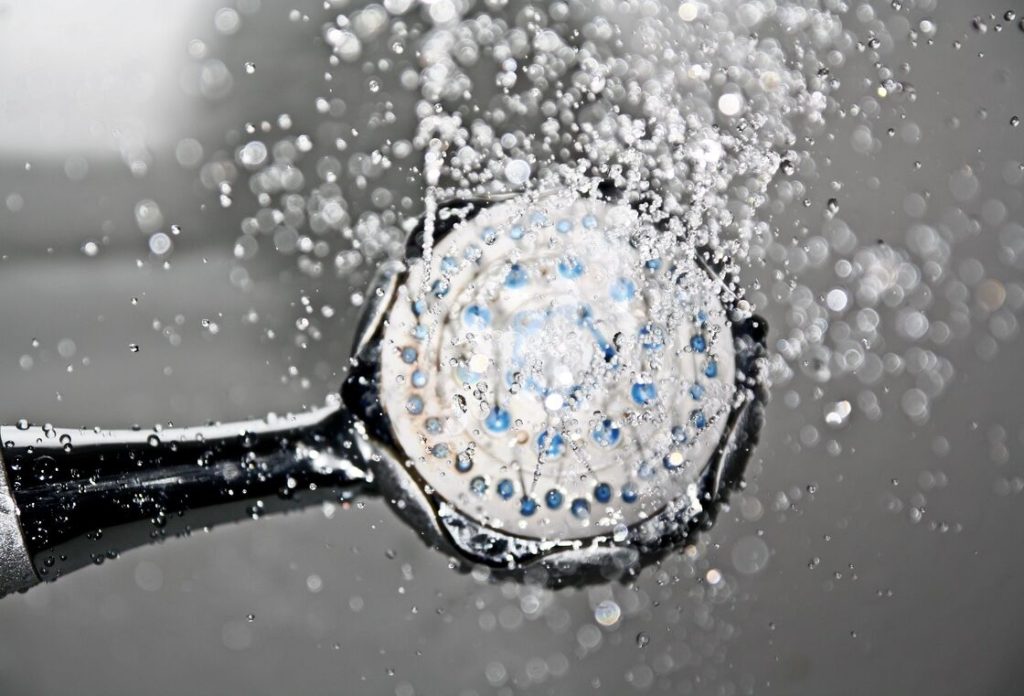
What’s The Difference Between Gas vs Electric Hot Water Systems
Gas and electric hot water systems both provide reliable hot water, but they differ in how they heat water, operating costs, installation requirements and recovery times. Gas systems generally heat water faster…