What to Do When Your Toilet Keeps Running
A running toilet is usually caused by a faulty flapper valve, worn internal components, incorrect water levels or issues within the cistern mechanism. While it may seem like a minor annoyance, a continuously running toilet can waste significant amounts of water and increase utility bills. Addressing the problem early helps prevent unnecessary water loss and may avoid more extensive plumbing repairs. If the cause is unclear or the issue persists, a licensed plumber can identify the fault and restore proper operation.
Why a Running Toilet Should Not Be Ignored
Many homeowners delay fixing a running toilet because the fixture still appears to function normally. However, even a small amount of continuously flowing water can waste thousands of litres over time. In addition to increasing water bills, ongoing water loss places unnecessary strain on plumbing systems and contributes to water wastage. Prompt attention helps minimise costs and ensures the toilet continues operating efficiently.
Check for Obvious Problems
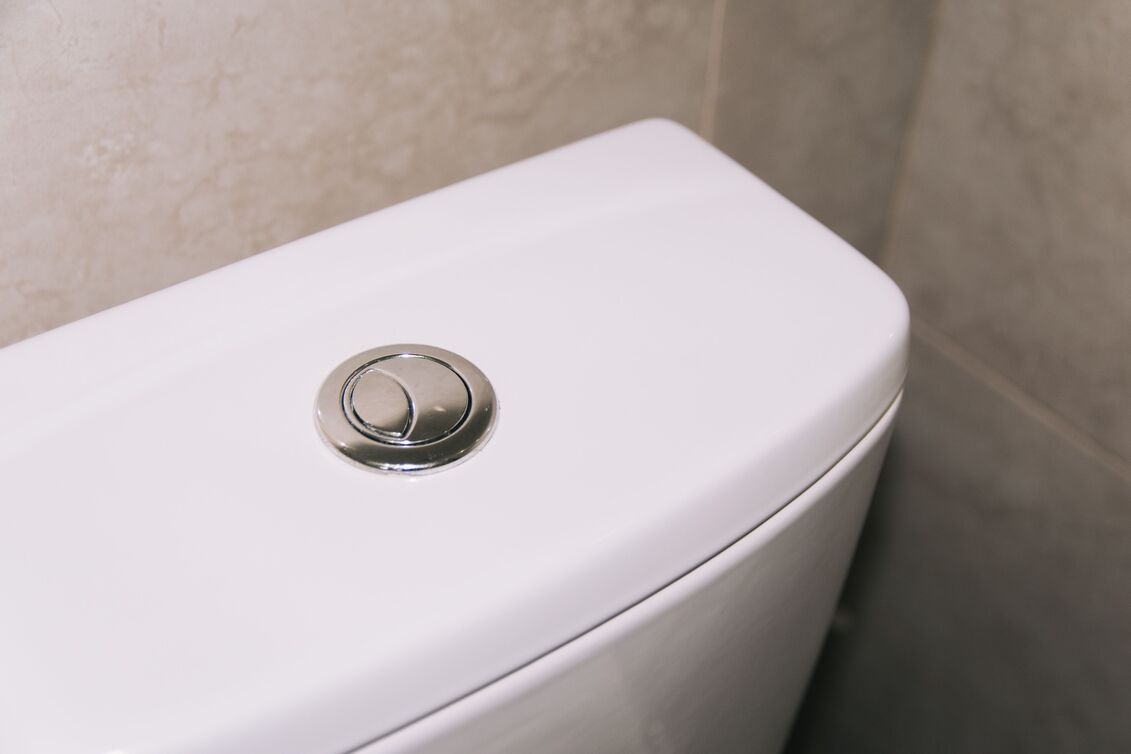
If your toilet keeps running, start by listening carefully to determine whether water is continuously flowing into the bowl or whether the cistern is repeatedly refilling. Sometimes the issue may occur intermittently, while in other cases the toilet runs constantly. Identifying how the problem presents can help narrow down the possible causes. Visible damage to the flush button, handle or cistern components may also indicate where the fault is located.
Common Causes of a Running Toilet
One of the most common causes is a worn or damaged flapper valve. This component seals the cistern and prevents water from flowing into the bowl after flushing. If the seal deteriorates, water may continue leaking through. Incorrect water levels inside the cistern can also cause problems. If the water level is too high, excess water may continuously flow into the overflow mechanism. Other common causes include faulty fill valves, damaged seals, worn washers and ageing internal cistern components.
How Running Toilets Affect Water Usage
Many people are surprised by how much water a running toilet can waste. Even a slow and seemingly minor leak can add up significantly over weeks and months. In some cases, homeowners first become aware of the problem when they notice unexpectedly high water bills. Monitoring water usage can help identify hidden plumbing issues before they become expensive.
When to Contact a Professional Plumber
While some minor cistern adjustments may appear straightforward, persistent running toilets often require professional diagnosis to identify the underlying cause. A plumber can inspect the cistern, replace worn components and ensure the toilet is operating efficiently. This helps prevent ongoing water loss and reduces the risk of recurring issues.