
What to Do When You Notice Water Stains on the Ceiling
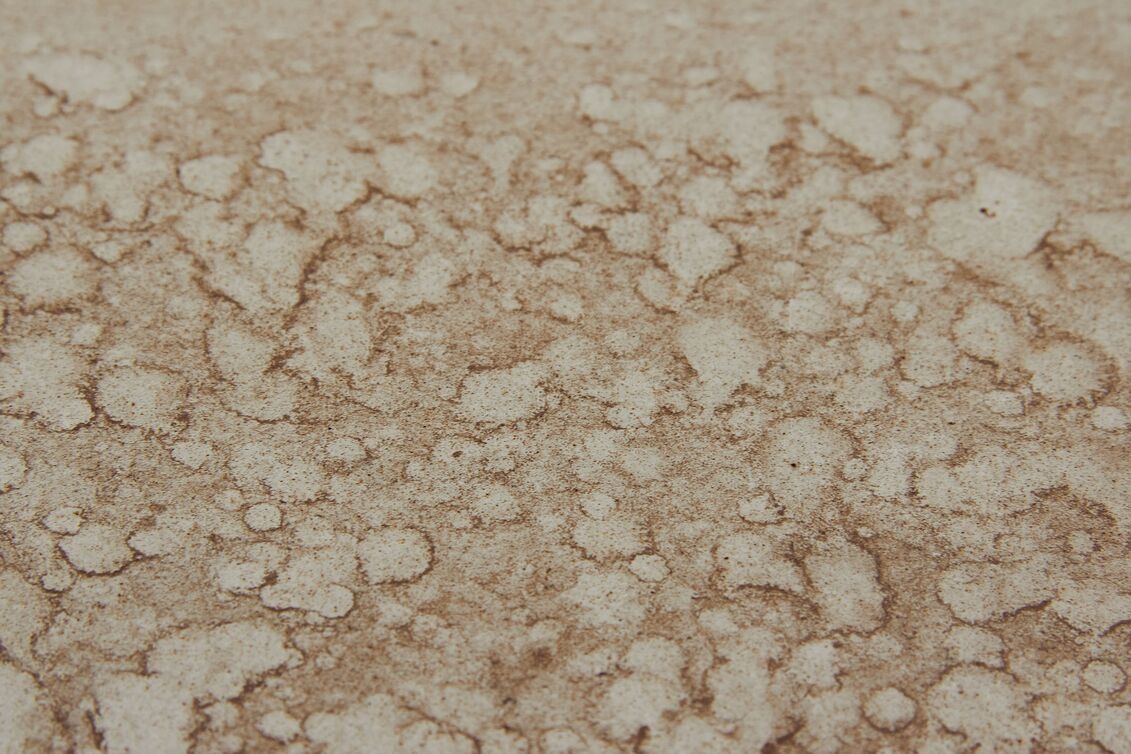
Water stains on the ceiling usually indicate that moisture is entering from somewhere above. Possible causes include a leaking roof, damaged plumbing, overflowing gutters or a leak from an upstairs bathroom or appliance. Do not simply paint over the stain, as the underlying source may still be active. Check for obvious leaks, keep people away from any sagging or damaged ceiling areas and arrange a professional inspection. Finding and repairing the source early can help prevent further ceiling damage, mould growth and more extensive property repairs.
Don’t Ignore a New Water Stain
A small brown or yellow mark on the ceiling can appear harmless, particularly if it feels dry. However, the stain is evidence that moisture has reached the ceiling material at some point. The source may still be leaking intermittently. For example, a roof leak might only become active during rain, while a plumbing leak could worsen whenever a particular fixture is used. Monitoring the stain for changes in size or colour can provide useful information, but the cause should still be investigated.
Check What Is Above the Stain
Consider what is located directly above the affected ceiling. If there is a bathroom, laundry or kitchen upstairs, the moisture may be coming from plumbing fixtures, pipes or appliance connections. For single-storey homes, the roof and roof space may need to be investigated. Damaged roofing, flashings or other components can allow rainwater to enter the building. The visible stain is not always directly beneath the source because water can travel along pipes or structural materials before reaching the ceiling.
Look for Signs of a Plumbing Leak
Changes in water pressure, unexplained increases in water bills or sounds of running water can indicate hidden pipework problems. These can also be early warning signs of a burst pipe, particularly when damaged pipework is concealed behind walls or ceilings. If the stain becomes worse when someone showers, uses a tap or operates an appliance, this may help narrow down the source. Avoid cutting into ceilings or attempting to access concealed plumbing without knowing what services are behind the surface.
Consider Gutters and Roof Drainage
Blocked or damaged gutters and downpipes can allow rainwater to overflow into areas where it should not go. During heavy Busselton rainfall, existing drainage problems can become particularly noticeable. If ceiling staining appears after rain, the roof drainage system should be included in the investigation.
Keep the Area Safe
A ceiling that is bulging, sagging or dripping may contain accumulated water. Keep people and belongings away from the affected area and be particularly cautious if moisture is near lights or other electrical fittings.
Arrange Professional Assessment
Repairing the stain without fixing its source will not solve the problem. The leak should be identified and repaired before damaged ceiling materials are restored. Understanding why fast action matters during a plumbing emergency can help property owners recognise the importance of addressing leaks before further water damage develops. Ashore Plumbing & Gas provides plumbing and roof leak services throughout Busselton, helping property owners identify sources of unwanted water and arrange appropriate repairs.