
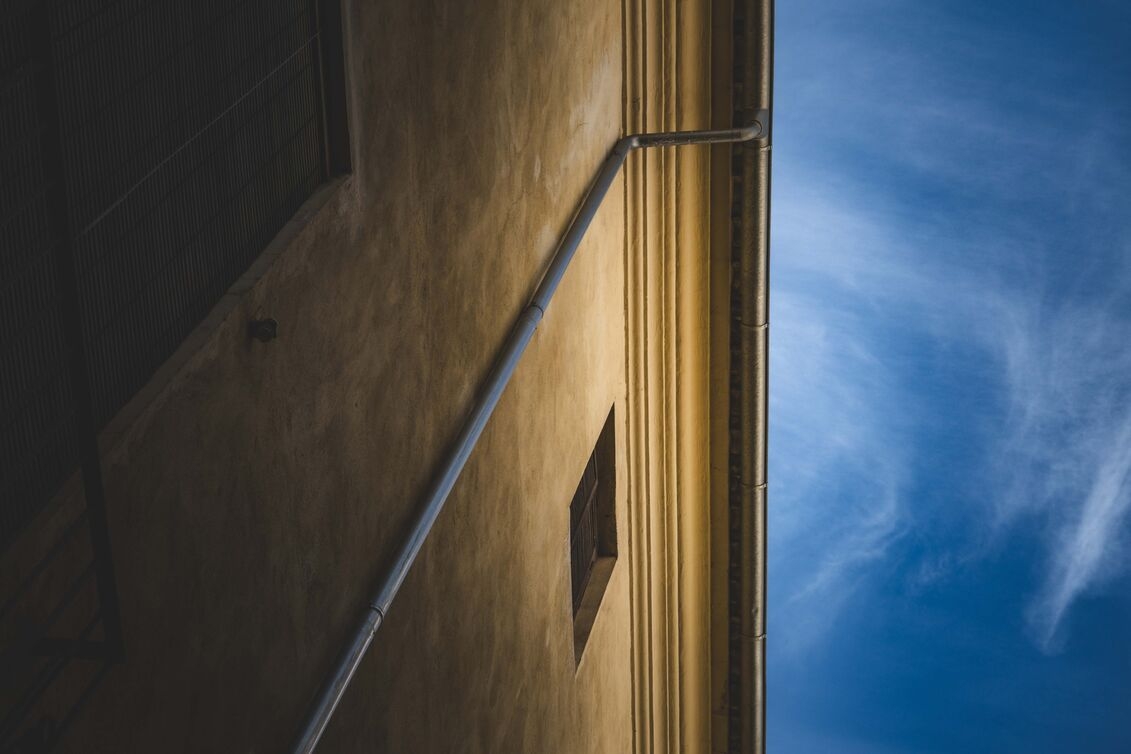
How to Tell If Your Downpipes Are Draining Properly
Downpipes are draining properly when rainwater moves quickly from the gutters into the connected stormwater system or designated discharge point without overflowing, backing up or leaking. Warning signs of poor drainage include overflowing gutters, water spilling from downpipe joints, gurgling sounds, slow drainage and persistent pooling around the property. Blockages, damaged pipework and poor connections can all interfere with water flow. Checking your downpipes during or after rainfall can help identify drainage problems early and reduce the risk of water-related damage around your home.
Watch Your Downpipes During Rain
Rainfall provides a useful opportunity to see how well your roof drainage system is working. Water should move through the gutters and into the downpipes without repeatedly overflowing at the roofline. If water spills over the gutters near a downpipe, the downpipe opening may be blocked or unable to handle the incoming flow effectively. Water escaping from downpipe joints can also indicate a blockage, damaged connection or deterioration that requires attention.
Look for Water Pooling Around the Property
After rain, check the areas around your downpipes for unusual water accumulation. Persistent pooling can indicate that water is not being carried away effectively. The problem may be within the downpipe itself or further along the connected stormwater drainage system. Water repeatedly collecting near walls or foundations should not be ignored, as ongoing moisture can affect surrounding building materials and landscaped areas.
Listen for Unusual Drainage Sounds
Gurgling, bubbling or other unusual sounds from a downpipe may indicate that water is struggling to pass through a restriction. Leaves, twigs, dirt and other debris can enter the gutter system and eventually collect inside downpipes. A partial blockage may still allow some water through, making the problem less obvious during light rain. During heavier rainfall, however, the restriction may cause water to back up quickly.
Check for Leaks and Visible Damage
Downpipes should remain securely connected and free from obvious cracks, corrosion or separated joints. Damaged sections may allow rainwater to escape before it reaches the intended drainage point. You may notice staining on exterior walls or wet areas directly beneath leaking connections. Regular visual checks can help identify these problems before they become more extensive. Professional downpipe installation and maintenance can help restore proper drainage and address damaged components.
Don’t Forget the Gutters
Downpipes rely on properly maintained gutters. If gutters are filled with leaves or other debris, water may never reach the downpipes efficiently. Keeping both components clear is important for maintaining effective roof drainage.
Downpipe and Gutter Services in Busselton
If your downpipes repeatedly overflow, leak or drain slowly, professional assessment can help identify whether the problem is caused by a blockage, damaged pipework or another drainage issue. Ashore Plumbing & Gas provides gutter, downpipe and plumbing services throughout Busselton, helping property owners maintain effective roof drainage and address problems before they contribute to avoidable water damage.