
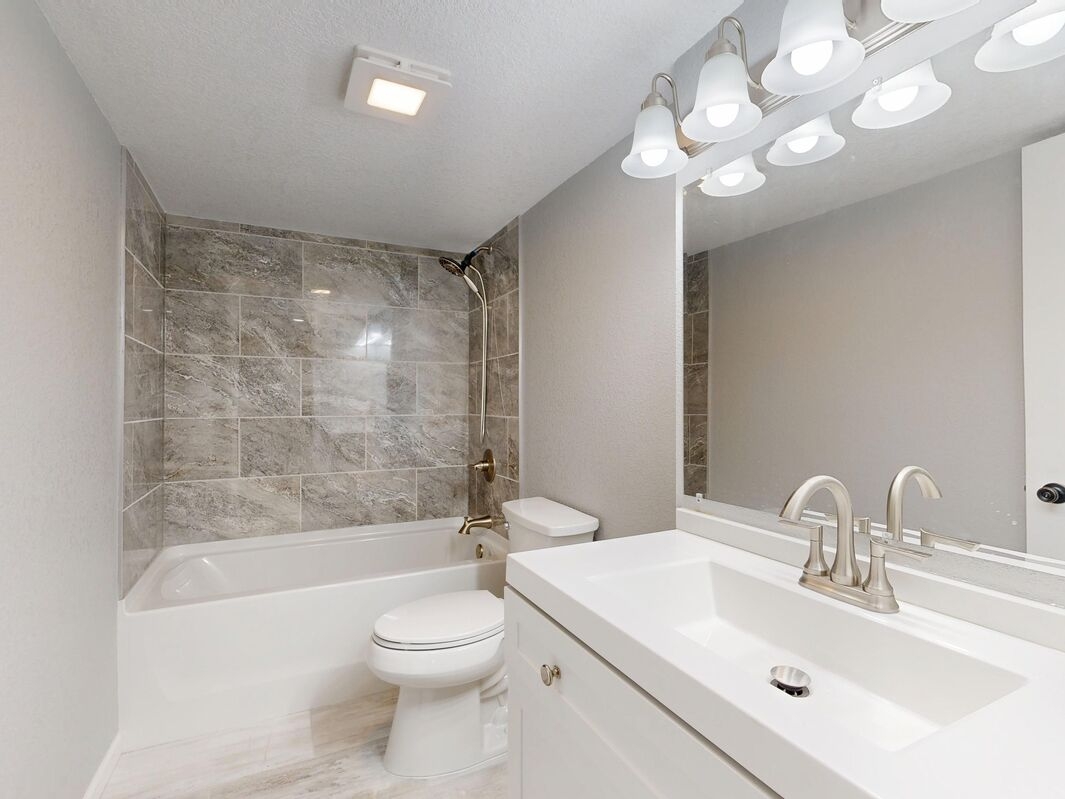
What Plumbing Work Is Required During a Bathroom Renovation?
Plumbing work during a bathroom renovation typically involves inspecting existing pipes, installing or relocating water supply lines, modifying drainage connections and fitting new fixtures such as toilets, showers, baths and basins. The amount of work depends on the bathroom’s existing condition and whether the layout is changing. Older plumbing may also require repairs or upgrades to support modern fixtures. A licensed plumber can assess the requirements, complete necessary pipework modifications and ensure the installation complies with relevant Australian plumbing standards.
Inspecting Existing Bathroom Plumbing
Before renovation work begins, the existing plumbing should be inspected to identify potential problems. Older bathrooms may contain deteriorating pipes, leaking connections or drainage systems that require attention. Understanding when old plumbing pipes should be replaced can help homeowners determine whether upgrades should be included in their renovation plans. Identifying these issues before walls and floors are finished can help prevent unexpected repairs later.
Relocating Water Supply Pipes
Changing the bathroom layout often means repositioning water supply connections. Moving a shower, vanity, or bathtub may require new hot and cold water pipes to be installed within walls or beneath flooring. Even when fixtures remain in their original positions, pipework may need adjusting to accommodate different tapware or modern fittings. Planning these connections early helps ensure the new bathroom layout is practical.
Modifying Drainage Connections
Every bathroom fixture requires an appropriate wastewater connection. Relocating toilets, showers or basins may involve modifying existing drainage pipes to maintain suitable gradients and reliable wastewater flow. Drainage alterations can be particularly complex when working with concrete floors or concealed pipework. Correct installation helps reduce the likelihood of slow drainage, leaks and recurring blockages.
Installing New Bathroom Fixtures
Once the required pipework is prepared, new bathroom fixtures can be connected. This may include installing toilets, shower mixers, basins, baths and vanity tapware. A plumber can ensure the connections are secure, the fixtures operate correctly, and appropriate water temperature controls are installed where required.
Coordinating Plumbing and Waterproofing
Plumbing work needs to be carefully coordinated with waterproofing, tiling and other renovation activities. Pipe penetrations, floor wastes and shower drainage must be correctly positioned before waterproofing and finishing work is completed. Being aware of the common signs of a hidden water leak at home can also help homeowners recognise potential plumbing problems before they cause further damage. Proper coordination helps prevent unnecessary alterations and supports the bathroom’s long-term performance.
Bathroom Renovation Plumbing in Busselton
Bathroom renovations require careful plumbing planning to ensure new fixtures, water supplies and drainage systems work together effectively. From assessing existing pipework to installing new connections and fixtures, professional plumbing helps create a functional, reliable bathroom that meets your household’s needs.