What Happens During a Gas Safety Inspection?
A gas safety inspection involves checking gas appliances, pipework, fittings and ventilation systems to ensure they are operating safely and efficiently. Licensed gas fitters inspect for leaks, signs of wear, improper installation and potential safety hazards. The inspection helps identify issues before they become serious risks and ensures the gas system complies with relevant safety standards. Regular gas safety inspections can help protect occupants, improve appliance performance and provide peace of mind that the gas system is functioning correctly.
Why Gas Safety Inspections Are Important
Gas appliances are commonly used in Australian homes for cooking, heating and hot water. While gas systems are generally safe when properly maintained, faults can develop over time due to wear, corrosion or accidental damage. Regular inspections help identify potential problems before they lead to gas leaks, appliance failures or safety concerns. They also help ensure appliances continue operating efficiently and reliably.
Inspecting Gas Appliances
A key part of the inspection involves checking connected gas appliances. This may include gas hot water systems, cooktops, ovens, heaters and other gas-powered equipment. The gas fitter assesses appliance condition, operation and overall performance. Components showing signs of wear, damage or deterioration may require servicing or replacement. Checking appliances regularly helps maintain efficiency and reduces the likelihood of unexpected breakdowns.
Testing for Gas Leaks
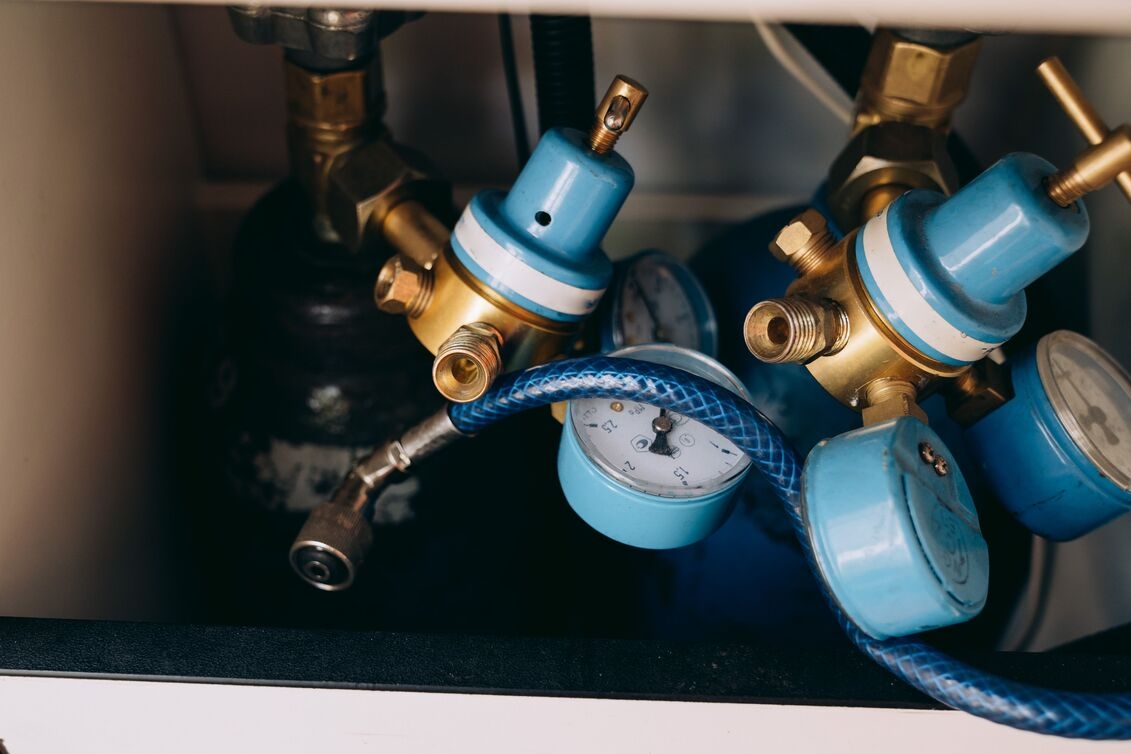
Gas leak testing is one of the most important elements of a gas safety inspection. Even small leaks can present safety risks if left undetected. Specialised equipment is used to test gas pipework, fittings and connections for signs of escaping gas. The inspection also checks that valves and safety devices are functioning correctly. Identifying leaks early helps prevent larger issues and supports safe operation of the entire gas system.
Assessing Pipework and Connections
Gas pipework and fittings are inspected for corrosion, damage, loose connections and general wear. Over time, environmental conditions and normal ageing can affect the condition of gas infrastructure. The gas fitter checks that pipework remains secure, properly supported and compliant with current safety requirements. Any concerns identified during the inspection can be addressed before they lead to more significant problems.
Checking Ventilation and Appliance Safety
Many gas appliances require adequate ventilation to operate safely. The inspection may include assessing ventilation openings and ensuring appliances have sufficient airflow. Poor ventilation can affect appliance performance and create safety concerns. Ensuring proper ventilation helps support safe combustion and reliable operation.
Professional Inspections Provide Peace of Mind
Regular gas safety inspections help identify issues that may not be obvious during everyday use. Early detection often reduces repair costs and improves long-term system reliability.