Importance of Grease Trap Maintenance for Commercial Kitchens
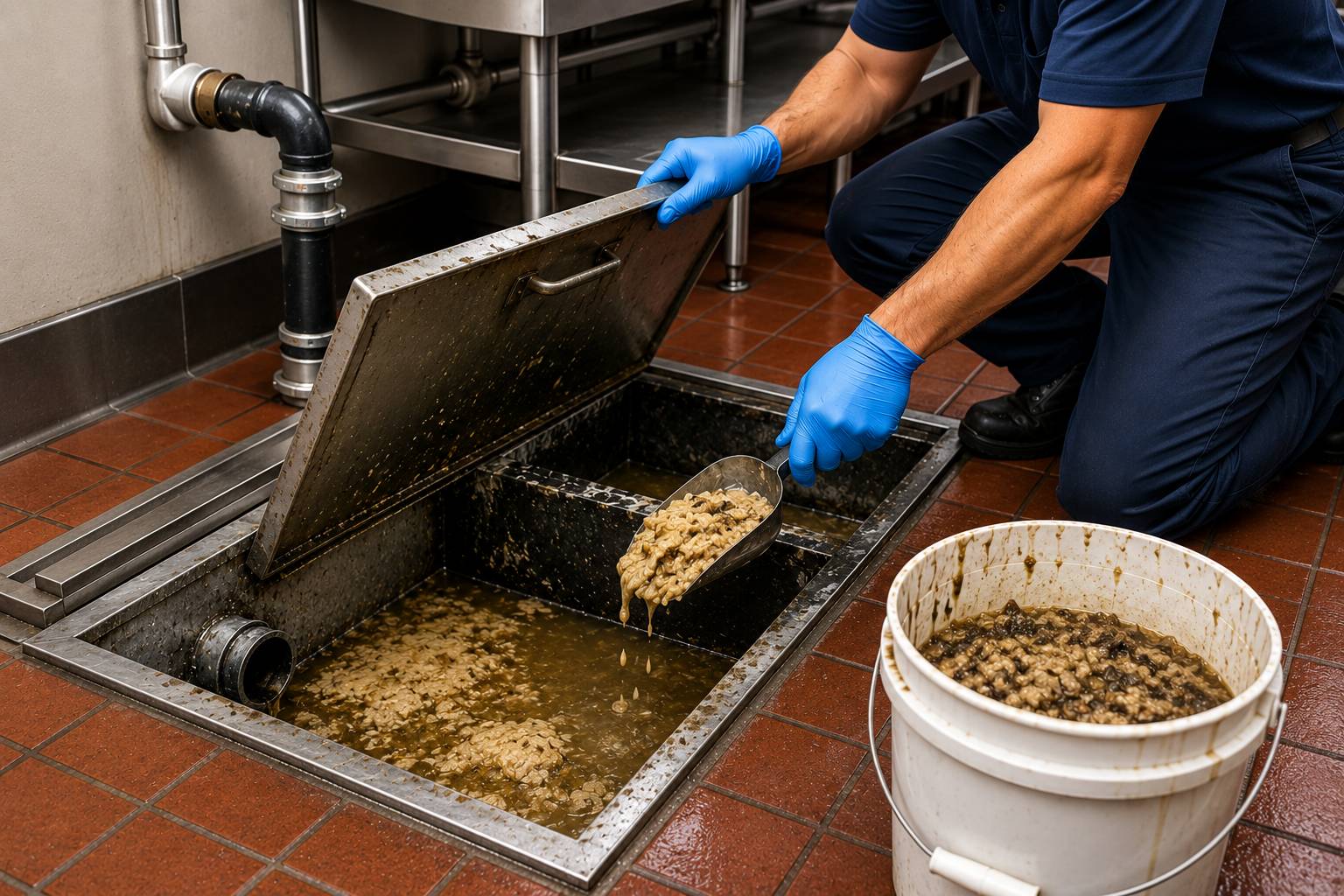
Regular grease trap maintenance is essential for commercial kitchens because it helps prevent blocked drains, unpleasant odours, plumbing emergencies and environmental issues. Grease traps are designed to capture fats, oils and grease before they enter the water system. Without routine cleaning and servicing, these materials can accumulate and cause significant drainage problems. Proper grease trap maintenance supports hygiene, helps businesses meet compliance requirements and reduces the risk of costly disruptions to daily operations.
What Does a Grease Trap Do?
A grease trap is a plumbing device installed in commercial kitchens to separate fats, oils and grease from wastewater before it enters the drainage system. Restaurants, cafés, catering facilities and other food service businesses generate large amounts of grease during daily operations. Without a grease trap, these substances can enter drains, harden inside pipes and contribute to serious blockages. Grease traps help protect both the property’s plumbing infrastructure and the broader wastewater network.
Why Grease Trap Maintenance Is Important
Over time, fats, oils and grease accumulate inside the grease trap. As the trap fills, its ability to separate waste effectively decreases. Without regular maintenance, excess grease may bypass the system and enter drainage pipes. This can lead to blockages, slow drainage and expensive plumbing repairs. Routine servicing helps ensure the grease trap continues operating efficiently and prevents waste from affecting downstream pipework.
Preventing Blocked Drains and Plumbing Emergencies
One of the biggest benefits of grease trap maintenance is reducing the risk of blocked drains. Grease that enters the drainage system can harden and combine with food particles, creating stubborn obstructions. Blocked drains can disrupt kitchen operations, create hygiene concerns and potentially force temporary business closures while repairs are carried out. Preventative maintenance helps identify issues before they become major plumbing emergencies.
Supporting Hygiene and Compliance
Commercial kitchens are required to maintain high standards of cleanliness and hygiene. A poorly maintained grease trap can produce unpleasant odours and create unsanitary conditions within food preparation areas. Regular cleaning helps minimise odours and supports a cleaner working environment for staff and customers. Many businesses also have obligations relating to wastewater management and environmental compliance. Maintaining grease traps correctly helps support these requirements.
Reducing Long-Term Operating Costs
Routine maintenance is often far more cost-effective than responding to major drainage failures. Preventative servicing helps reduce wear on plumbing infrastructure and lowers the likelihood of expensive emergency repairs. Scheduled inspections can also identify damaged components before they cause larger operational problems. For businesses in Busselton, maintaining grease traps is an important part of protecting both plumbing systems and day-to-day operations.