
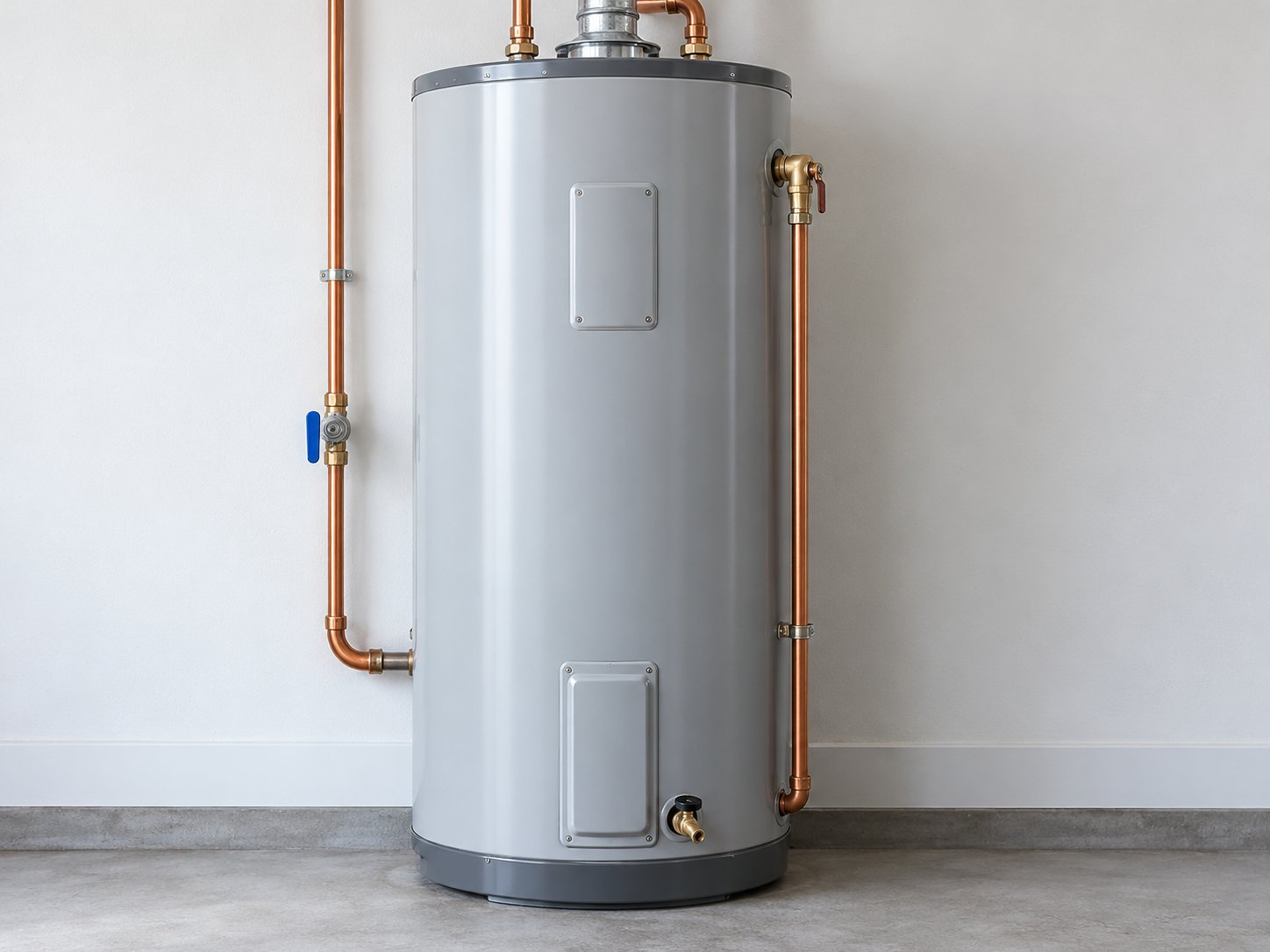
How Do Gas Hot Water Units Work?
Gas hot water units use natural gas or LPG to heat water for showers, taps and other household needs. Storage systems heat water and keep it in an insulated tank until required, while continuous-flow systems heat water as it passes through the unit. When hot water is needed, a gas burner provides the heat required to raise the water temperature. The right system depends on household demand, available gas supply and property requirements. Professional installation and regular servicing help gas hot water units operate safely and reliably.
What Happens When You Turn on a Hot Tap?
The exact process depends on whether you have a storage or continuous-flow gas hot water system. With a continuous-flow unit, opening a hot tap creates water flow through the system. The unit detects this demand and activates the burner. Water passes through a heat exchanger, where heat produced by the gas burner raises its temperature before it travels to the tap. When the tap is turned off, the unit stops heating.
How Does a Gas Storage System Work?
A gas storage hot water system keeps a set quantity of heated water inside an insulated tank. A burner heats the stored water, while a thermostat monitors its temperature. When the water cools below the system’s set level, the burner operates again to restore the required temperature. As hot water is used, cold water enters the tank and is heated for future use. Because storage capacity is limited, heavy household demand can temporarily use the available hot water faster than the system can recover.
Natural Gas vs LPG
Depending on the property and appliance, gas hot water units may operate on natural gas or LPG. The appliance must be designed or correctly configured for the gas type supplied to the property. Natural gas and LPG have different operating characteristics, so appliances should never simply be connected to a different fuel type without appropriate professional assessment and an approved conversion where applicable.
Why Correct System Sizing Matters
Choosing the right hot water unit involves more than selecting between storage and continuous flow. Household size, simultaneous hot water use and available gas supply can all influence the appropriate system. An undersized unit may struggle to meet demand, while choosing a system suited to the property helps provide more reliable everyday performance. Choosing the right hot water unit involves more than selecting between storage and continuous flow. Household size, simultaneous hot water use and available gas supply can all influence the appropriate system. Understanding the difference between gas and electric hot water systems can also help homeowners compare their options before selecting a new unit. An undersized unit may struggle to meet demand, while choosing a system suited to the property helps provide more reliable everyday performance.
Why Regular Servicing Is Important
Gas hot water systems contain burners, valves and other components that can wear or develop faults over time. Regular servicing can help identify deterioration, operating problems and potential safety concerns before they become more serious. Gas hot water systems contain burners, valves and other components that can wear or develop faults over time. Regular servicing can help identify deterioration, operating problems and potential safety concerns before they become more serious. Understanding how to extend the life of your hot water system can also help homeowners maintain reliable performance and recognise when professional servicing is needed
Gas Hot Water Units in Busselton
Whether you are replacing an ageing system or installing gas hot water at a new property, professional assessment is important. Professional gas fitting helps ensure the system is correctly sized, safely connected and set up for dependable everyday hot water.